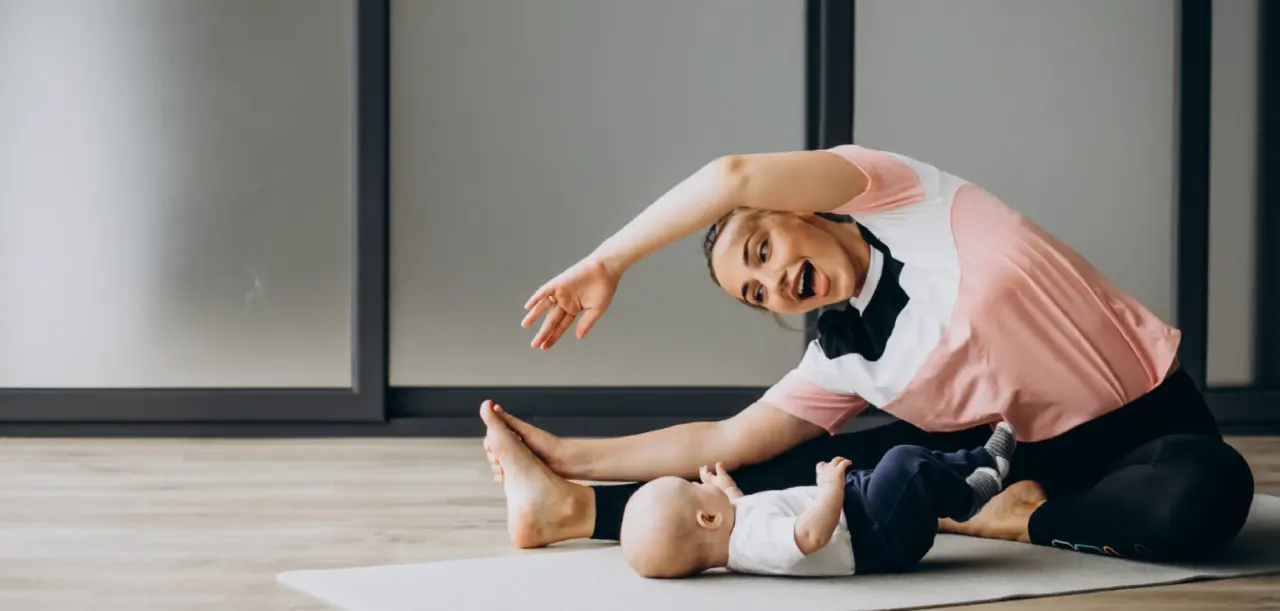
When Is It Safe to Start Exercising After Delivery? A Realistic Guide to Postpartum Fitness and Core Recovery
After delivery, many mothers wonder when they can start exercising again. Some feel eager to move their bodies, while others feel unsure, weak, or disconnected from physical activity. Advice often ranges from “start immediately” to “don’t do anything for months,” leaving women confused about what is truly safe.
Postpartum fitness is not about getting back to your old routine. It is about helping a healing body regain strength, stability, and confidence at its own pace. Understanding what recovery really looks like allows you to move forward without fear or unnecessary delay.
What the postpartum body is recovering from
Childbirth places significant strain on the body, regardless of whether delivery was vaginal or via C-section. Muscles, connective tissues, ligaments, and organs have been stretched, shifted, and stressed over many months. Hormones that supported pregnancy begin changing rapidly after birth, affecting joints, energy, and emotional resilience.
The core muscles, including the deep abdominal muscles and pelvic floor, play a central role in postpartum recovery. These muscles support posture, movement, bladder control, and spinal stability. Pregnancy and birth weaken and lengthen them, and they require time and intentional care to recover.
Recovery is not a single event. It is a gradual process.
Why rushing exercise after delivery can cause problems
Many women feel pressure to “bounce back” physically. This pressure often comes from social expectations rather than medical reality.
Starting intense exercise too soon can:
- Delay healing of abdominal and pelvic tissues
- Worsen pelvic floor weakness
- Increase the risk of pain or injury
- Lead to long-term issues such as back pain or incontinence
The absence of pain does not always mean readiness. Internal healing often continues long after external discomfort fades.
Postpartum exercise is safest when it follows healing, not impatience.
What movement is appropriate in the early weeks
In the immediate postpartum period, movement should focus on circulation, comfort, and awareness.
Gentle activities such as short walks, light stretching, and simple breathing exercises are usually appropriate once you feel stable and comfortable. These movements support blood flow, reduce stiffness, and help reconnect with your body without strain.
This phase is not about building strength. It is about reintroducing movement slowly and observing how your body responds.
Listening to fatigue, pain, or heaviness is important. These sensations are feedback, not obstacles.
The role of breathing and core awareness
Before returning to traditional exercise, reconnecting with breathing patterns is essential.
Pregnancy often alters how the diaphragm, abdominal muscles, and pelvic floor work together. Shallow breathing and core disconnection are common after birth.
Breathing exercises help:
- Re-engage deep core muscles
- Support pelvic floor recovery
- Improve posture
- Reduce tension and anxiety
This foundational work prepares the body for future strength-building and reduces the risk of injury.
Understanding core recovery after pregnancy
Core recovery is not just about flattening the stomach. It is about restoring strength and coordination to a system that supports the entire body.
The deep abdominal muscles work together with the pelvic floor and back muscles. During pregnancy, these muscles stretch and weaken. After delivery, they need gentle, progressive reactivation.
Exercises that emphasize controlled movements, proper breathing, and gradual loading support this recovery. Crunches, sit-ups, and high-impact movements too early can strain healing tissues rather than strengthen them.
Core recovery is about function, not appearance.
When structured exercise usually becomes appropriate
For many women, structured exercise can begin gradually after the initial postpartum healing phase, often around six weeks after delivery, depending on individual recovery and medical guidance.
This does not mean returning immediately to pre-pregnancy workouts. It means beginning with low-impact, controlled activities that respect healing tissues.
Factors that influence readiness include:
- Type of delivery
- Presence of stitches or surgical healing
- Pelvic floor symptoms
- Overall energy levels
- Medical advice
Some women may need more time, especially after complicated deliveries or if symptoms persist. This is not a setback. It is a normal variation.
Postpartum exercise should feel supportive, not draining
One of the clearest signs that exercise is appropriate is how you feel afterward.
Supportive movement:
- Leaves you feeling more energized than exhausted
- Does not increase pain or heaviness
- Does not worsen bleeding or discomfort
- Feels manageable rather than forced
If exercise leads to increased soreness, pelvic pressure, or fatigue that lasts into the next day, it may be a sign to slow down or adjust.
Progression should be gradual and responsive.
Pelvic floor recovery matters as much as fitness
Pelvic floor health is often overlooked in postpartum fitness discussions, yet it is central to long-term wellbeing.
Signs that pelvic floor support may be needed include:
- Leaking urine
- Pelvic heaviness or pressure
- Pain during movement
- Difficulty engaging core muscles
Addressing these issues early through targeted exercises or professional support prevents long-term problems and improves overall function.
Ignoring pelvic floor recovery in favor of appearance-focused workouts can create lasting complications.
Emotional readiness is part of physical readiness
Postpartum exercise is not only about muscles. It is also about emotional capacity.
Sleep deprivation, emotional shifts, and identity changes all affect motivation and energy. Some days, rest may be more beneficial than movement. Other days, gentle exercise may provide emotional relief.
There is no timeline you must follow. Readiness includes feeling mentally capable of adding movement without stress or guilt.
Exercise should support recovery, not become another obligation.
Letting go of comparison after birth
Comparing your postpartum recovery to others can distort expectations. Some women appear to return to intense activity quickly. Others take longer. Both experiences can be healthy.
Bodies heal differently. Pregnancies differ. Support systems vary.
Postpartum fitness is not a competition. It is a personal process shaped by your body, your birth experience, and your circumstances.
A realistic approach to postpartum fitness
Postpartum fitness works best when it is approached as rehabilitation rather than transformation.
Gentle progression, patience, and respect for healing tissues lead to stronger, more sustainable outcomes than rushing or forcing change.
Movement after birth should help you feel more connected to your body, not pressured to reclaim a past version of yourself.
A grounded reminder
It is safe to start exercising after delivery when your body shows readiness and your care provider supports the plan. Safety is not defined by a calendar date, but by healing, comfort, and awareness.
Your body has accomplished something profound. Recovery deserves time, support, and kindness.
Fitness will return. Strength will rebuild. What matters most is that the journey back is guided by care rather than urgency.