Feeding Your Baby From Birth to 3 Years: A Gentle Timeline for Nourishment, Growth, and Confidence
Feeding a baby from birth to three years is not a straight path. It is a gradual journey filled with transitions, pauses, regressions, and growth spurts. Many parents feel confident at one stage and uncertain at the next, especially when advice changes as the baby grows.
Understanding feeding as a timeline rather than a set of rules helps parents respond with confidence. Each phase exists for a reason. Milk feeding, first solids, texture progression, and family foods all serve different developmental purposes. When these stages are respected, feeding becomes less stressful and more intuitive.
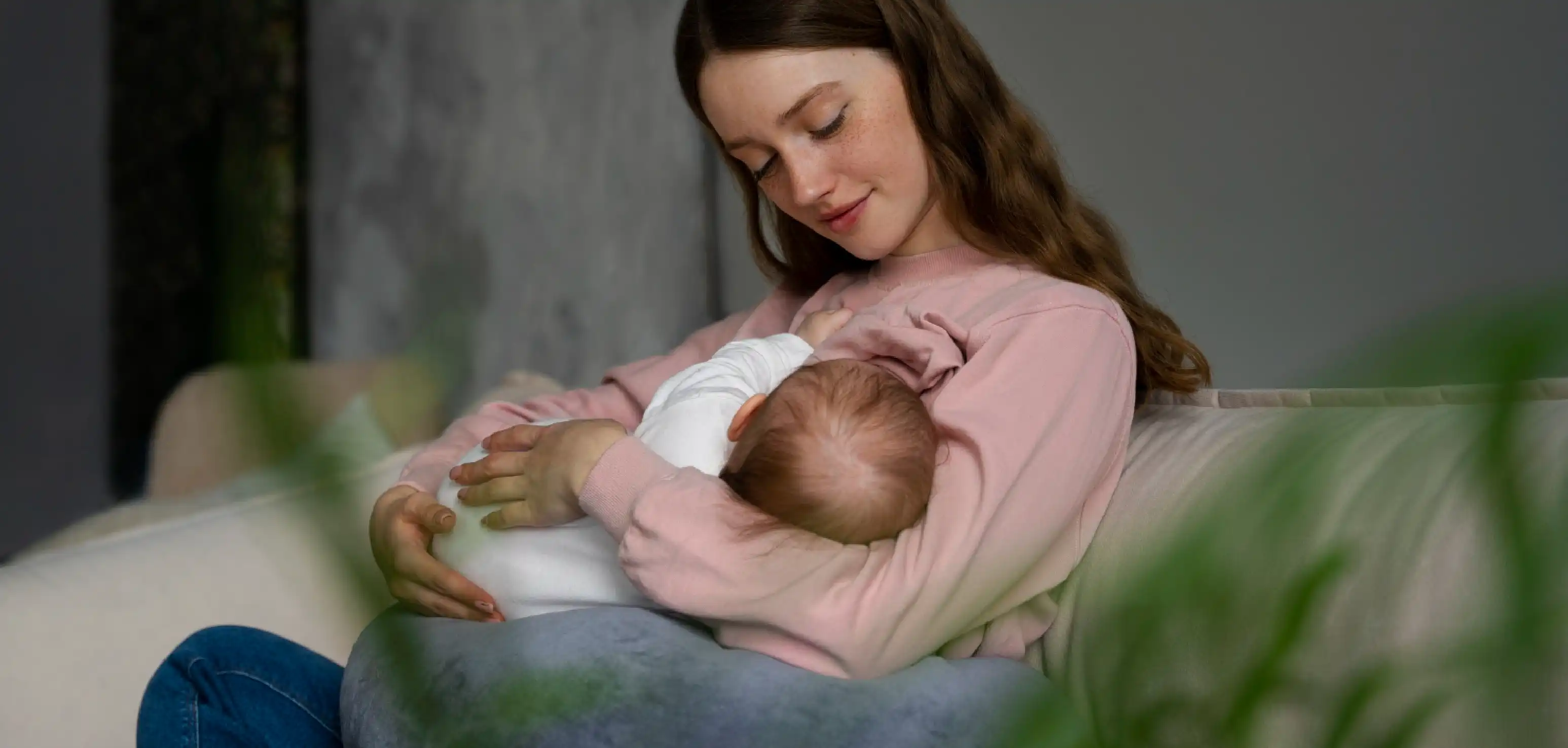
Birth to 6 months: nourishment through milk and connection
In the first six months, feeding is simple in form but powerful in impact. Breast milk or formula provides complete nutrition, supporting rapid physical growth, brain development, and immune protection.
During this phase, feeding is also about regulation and bonding. Babies feed frequently because their stomachs are small and their growth needs are high. Hunger and fullness cues guide intake naturally.
There is no need for solids, water, or other foods during this stage. Introducing foods early does not improve sleep or growth and may interfere with digestion.
Consistency, responsiveness, and comfort matter more than schedules or quantities.
Around 6 months: readiness for solids begins
At around six months, many babies show developmental readiness for solids. This is not based on age alone, but on physical and neurological signs.
Readiness often includes the ability to sit with support, good head control, interest in food, and the ability to move food to the back of the mouth.
Solids at this stage are not meant to replace milk feeds. They are an introduction to tastes, textures, and the experience of eating. Milk remains the primary source of nutrition throughout the first year.
This phase is about learning, not intake.
6 to 8 months: exploration and early textures
Early solid feeding focuses on simple textures and small amounts. Babies may take a few spoonfuls or simply play with food.
This stage supports:
- Oral motor development
- Exposure to flavors
- Early iron intake
- Sensory learning
Messy eating is expected and healthy. Milk feeds continue alongside solids, providing nutritional security.
8 to 10 months: increasing variety and texture
As babies grow, they begin to handle thicker textures and small soft pieces of food. Chewing skills develop even before teeth appear.
- Solid meals become more structured
- Texture progression becomes important
- Babies participate more actively in feeding
Appetite fluctuations are normal. Milk feeds still play a significant role, while solids gradually increase.
10 to 12 months: preparing for the first birthday transition
Toward the end of the first year, babies rely more on solids while milk feeds reduce in frequency.
- Babies manage a variety of textures
- Self-feeding skills improve
- Meals resemble family patterns
Growth slows compared to infancy, and appetite naturally adjusts. Feeding during this phase supports autonomy as much as nutrition.
1 to 2 years: the toddler transition
Toddlerhood marks a major shift. Growth slows, independence increases, and appetite becomes unpredictable.
- Eating less than expected
- Rejecting previously accepted foods
- Asserting control
- Distractibility during meals
These behaviors are developmentally normal. Pressure often increases resistance. Milk becomes one part of the diet rather than the foundation.
Understanding picky eating in toddlerhood
Picky eating peaks between one and three years and reflects sensory development and independence.
Repeated exposure without pressure supports acceptance. Nutrition should be evaluated over time, not individual meals.
2 to 3 years: building a long-term relationship with food
Between two and three years, children eat more consistently with the family. Preferences are clearer, and communication improves.
This phase focuses on:
- Establishing routines
- Modeling balanced eating
- Encouraging variety without force
- Allowing occasional treats without guilt
How meals feel matters as much as what is served.
Managing transitions without pressure
Feeding transitions often overlap and progress at different speeds.
- Moving back and forth between stages
- Periods of high and low appetite
- Preference for familiar foods during illness or growth
Stability comes from routine and reassurance, not strict progression.
The parent’s role in feeding
Parents decide: what, when, and where food is offered.
Children decide: whether and how much to eat.
This shared responsibility builds trust and reduces conflict.
A grounded perspective on feeding from birth to three
Feeding from birth to three years is a journey of adaptation, learning, and trust. There is no perfect timeline.
Your role is not to control every bite, but to offer nourishment, model balance, and trust that growth unfolds when the environment supports it.