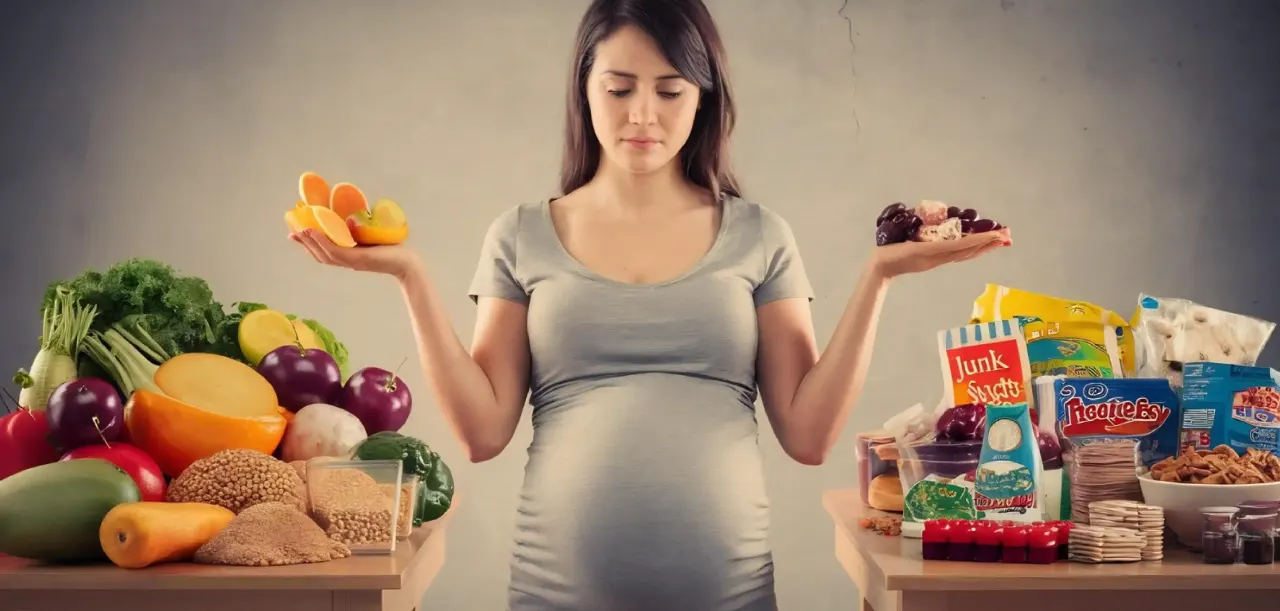
Pregnancy often comes with an overwhelming amount of food advice. Friends, family, social media, and even strangers feel entitled to comment on what a pregnant woman should or should not eat. Much of this advice is passed down with good intentions, but over time, myths turn into rigid rules that create fear, confusion, and unnecessary restriction.
Food myths during pregnancy refuse to go away because they are deeply rooted in cultural beliefs, anecdotal experiences, and outdated information. While some cautions have scientific grounding, many commonly repeated rules are either exaggerated or misunderstood.
Understanding the difference between myth and fact allows you to nourish yourself confidently rather than eating in constant doubt.
Why pregnancy food myths are so powerful
Pregnancy is a vulnerable phase. When something matters deeply, people become more cautious, and caution easily turns into fear. Food myths thrive in this environment because they offer simple explanations for complex outcomes.
If something goes wrong, food often becomes an easy target for blame. Over generations, this creates rigid beliefs that feel unquestionable, even when science evolves.
The problem with food myths is not just misinformation. It is the stress they create. Fear-based eating disrupts appetite, enjoyment, and trust in the body, all of which are important for healthy pregnancy nutrition.
Myth: You must eat for two
This is one of the most common and misunderstood ideas.
The truth is that pregnancy does not double calorie needs. Nutritional quality matters far more than quantity. In early pregnancy, calorie needs may not increase at all. In later trimesters, needs increase modestly, not dramatically.
Eating excessively in the name of “eating for two” often leads to discomfort rather than better outcomes. The baby benefits most from balanced nourishment, not oversized portions.
Myth: Certain foods will make the baby too big or too small
Many women are told to avoid specific foods out of fear that they will affect the baby’s size.
Baby growth is influenced by genetics, placental function, overall maternal health, and metabolic factors. Individual foods rarely determine birth weight on their own.
Restricting nutritious foods out of fear often harms the mother more than it protects the baby. Growth concerns are best addressed through medical monitoring, not food elimination.
Myth: Spicy or “hot” foods harm the baby
In many cultures, spicy or warming foods are blamed for miscarriage, premature labor, or baby discomfort.
In reality, spices do not directly harm the baby. The placenta filters what reaches the baby, and flavor exposure in pregnancy may even support early taste development.
However, spicy foods can worsen heartburn or digestive discomfort for the mother. Avoidance should be based on tolerance, not fear of harm to the baby.
Myth: Cold foods should be completely avoided
Cold foods and drinks are often discouraged with claims that they cause illness, reduced circulation, or uterine imbalance.
There is no scientific evidence that temperature of food affects pregnancy outcomes. What matters is food safety, hygiene, and nutritional value.
If cold foods feel uncomfortable or trigger digestive issues, moderation is reasonable. Avoidance should be based on comfort, not superstition.
Myth: Fruits should be limited because they contain sugar
Fruit is sometimes discouraged due to natural sugar content, especially in women concerned about weight gain or blood sugar levels.
Fruits provide fiber, vitamins, antioxidants, and hydration. The fiber in fruit slows sugar absorption and supports digestion.
Unless a specific medical condition requires individualized guidance, fruits are a valuable part of pregnancy nutrition. Removing them out of fear often reduces nutrient intake unnecessarily.
Myth: All cravings should be indulged
While cravings are common, they do not always signal nutritional deficiencies or need unlimited satisfaction.
Cravings are influenced by hormones, emotions, habits, and availability. Enjoying cravings in moderation is generally fine, but using them as justification for extreme or unbalanced eating is not necessary.
Nutrition works best when cravings are acknowledged without letting them override overall balance.
Myth: Certain foods guarantee an easy delivery
Some foods are believed to soften the cervix, shorten labor, or ensure a painless birth.
There is no single food that controls labor outcomes. Birth is influenced by multiple physical, hormonal, and situational factors.
While nutrition supports strength and endurance, promises of guaranteed outcomes through food are misleading and often lead to disappointment.
Myth: You must follow strict lists of “allowed” and “forbidden” foods
Rigid lists create anxiety rather than safety.
Pregnancy nutrition is not about perfection. It is about patterns over time. Occasional consumption of foods labeled “unhealthy” does not negate overall nourishment.
Fear-driven restriction often leads to guilt, stress, and disordered eating patterns, which are far more harmful than occasional dietary flexibility.
Myth: Traditional advice is always wrong
While many myths lack evidence, dismissing all traditional practices can also be unhelpful.
Some cultural food practices support warmth, digestion, and nourishment in meaningful ways. Others may be symbolic rather than nutritional.
The key is to evaluate advice through comfort, tolerance, and medical guidance rather than accepting or rejecting it blindly.
How food myths affect mental and emotional health
Food myths create constant self-monitoring. Every bite becomes a decision loaded with fear of doing something wrong.
This pressure can:
- Increase anxiety
- Reduce appetite enjoyment
- Lead to guilt and shame
- Disrupt hunger cues
- Create unnecessary conflict with family members
Nutrition should support wellbeing, not undermine it.
How to approach pregnancy food advice calmly
A healthier approach includes:
- Asking where advice comes from and why
- Noticing whether a rule is fear-based or evidence-based
- Prioritizing overall dietary patterns over single foods
- Trusting medical guidance over social media trends
- Listening to your body’s tolerance and needs
You do not need to justify your food choices to everyone.
Rebuilding trust in food during pregnancy
Pregnancy already involves many changes beyond your control. Food should not become another source of stress.
Eating well is not about obeying endless rules. It is about responding to hunger, nourishing your body, and allowing flexibility.
When fear is removed, food becomes what it is meant to be: fuel, comfort, and support.
A grounded reminder
Pregnancy food myths persist because fear spreads faster than facts. But you do not need to carry the weight of outdated beliefs.
Your body is intelligent. Your baby is protected. Nourishment works through consistency, not perfection.
When you choose food from a place of care rather than fear, you support both physical health and emotional wellbeing. That balance matters just as much as any nutrient on a list.