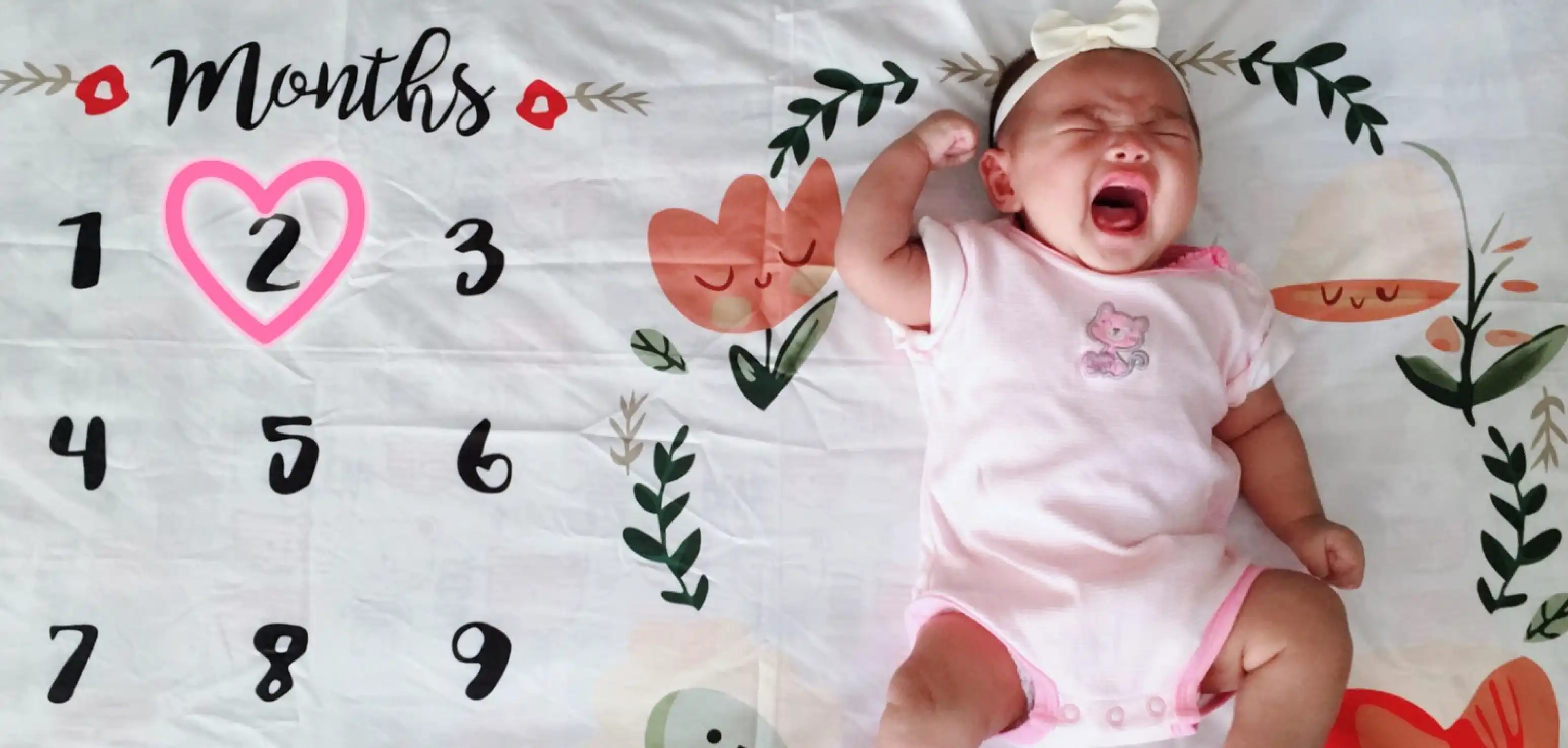
The first year of a baby’s life is a period of rapid and remarkable change. In just twelve months, your baby moves from complete dependence to sitting, crawling, standing, communicating, and expressing personality. Because development happens so quickly, parents often worry whether their baby is “on track.”
Understanding infant development month by month is not about checking boxes. It is about recognizing patterns of growth, appreciating individual pace, and knowing what is broadly expected while leaving room for variation.
Every baby develops in their own rhythm. This guide offers a clear, realistic overview of what typically happens across the first year, without turning development into a race.
Month 1: Adjusting to the world
In the first month, babies are learning how to exist outside the womb. Most of their energy goes into feeding, sleeping, and adjusting to new sensations.
You may notice brief moments of alertness, basic reflexes like grasping, and sensitivity to sound and light. Movements are mostly reflexive rather than intentional. Emotional development centers on comfort, safety, and regulation through touch and feeding.
This month is about survival and adaptation, not milestones.
Month 2: Awareness begins to grow
By the second month, babies often become more alert and responsive. You may notice longer periods of wakefulness and increased interest in faces.
Smiles may begin to appear, often referred to as social smiles. Head control improves slightly, though support is still needed. Babies may start making soft cooing sounds as early communication.
These changes reflect early brain development and growing engagement with caregivers.
Month 3: Strength and interaction
Around three months, babies often show improved head and neck control. Movements become smoother, and hands may begin exploring more intentionally.
Social interaction increases. Babies respond to voices, smile more readily, and may show excitement when they see familiar faces. Vision improves, allowing better focus on nearby objects.
This is often when parents feel a stronger sense of connection, as babies become more expressive.
Month 4: Curiosity takes shape
By four months, many babies show curiosity about their surroundings. They may track moving objects, reach for toys, and bring hands to their mouth.
Rolling may begin, though timing varies widely. Laughter often emerges, and babies enjoy social play. Sleep patterns may shift as developmental changes occur, sometimes leading to temporary disruptions.
This month marks a transition from reflexive behavior to more intentional movement.
Month 5: Exploring movement and sound
At five months, babies typically become stronger and more active. Many can roll in one or both directions and enjoy time on their tummy.
Vocalizations increase, with babbling sounds emerging. Babies may respond to their name and show clear preferences for caregivers. Emotional expression becomes more varied, including excitement and frustration.
This stage reflects growing coordination between muscles, senses, and emotions.
Month 6: Sitting and solid beginnings
Around six months, many babies can sit with support or briefly on their own. Hand-eye coordination improves, allowing babies to transfer objects between hands.
Babbling becomes more complex, and babies may respond differently to familiar versus unfamiliar people. This is also a common time to introduce solid foods, based on readiness rather than age alone.
Six months marks a significant developmental shift, but it is still early in the journey.
Month 7: Mobility and exploration
By seven months, babies often become more mobile. Some begin to crawl, while others scoot or roll. Sitting becomes more stable, and reaching is more accurate.
Babies explore through touch and taste. Object permanence begins to develop, meaning babies start to understand that things exist even when out of sight. This can lead to separation anxiety, which is a normal emotional milestone.
Curiosity drives much of their behavior at this stage.
Month 8: Communication and personality
At eight months, babies often show clearer personality traits. They may express preferences, show excitement, and communicate through gestures and sounds.
Babbling may include repeated syllables. Understanding of simple routines improves. Emotional attachment deepens, and stranger anxiety may peak.
This is a phase of strong emotional development alongside physical growth.
Month 9: Problem-solving emerges
By nine months, many babies are actively exploring their environment. Crawling becomes more efficient, and some babies pull themselves up to stand.
Babies begin to experiment with cause and effect, such as dropping objects to see what happens. Communication becomes more intentional, with gestures like pointing or waving.
Cognitive development accelerates as babies learn through interaction and repetition.
Month 10: Confidence and coordination
At ten months, coordination improves further. Babies may cruise along furniture, climb, or attempt to stand independently.
Understanding of language increases, even if verbal expression is limited. Babies respond to simple instructions and enjoy interactive games.
This stage often involves increased independence paired with strong attachment needs.
Month 11: Early independence
By eleven months, babies often show determination and curiosity. Fine motor skills improve, allowing more precise grasping and exploration.
Babies may imitate actions and sounds, showing early learning through observation. Emotional communication becomes clearer, with expressions of joy, frustration, and comfort-seeking.
Development feels rapid and dynamic during this phase.
Month 12: Transition to toddlerhood
At one year, babies reach a major transition. Some may take first steps, while others continue crawling confidently. Both are normal.
Language understanding increases significantly, and a few meaningful words may appear. Babies show clear preferences, routines, and emotional bonds.
This milestone reflects not an endpoint, but the beginning of toddler development.
Understanding variation in infant development
It is important to remember that month-by-month guides describe averages, not rules. Babies may develop skills earlier, later, or in a different order.
Factors such as genetics, temperament, environment, and opportunity influence development. Comparing babies often leads to unnecessary worry.
Development should be viewed as a pattern over time, not isolated moments.
When to seek guidance
While variation is normal, it is appropriate to discuss concerns if:
- Development appears to stop or regress
- There is persistent lack of responsiveness
- Motor or communication milestones are significantly delayed
Pediatric guidance is meant to support, not alarm.
A grounded perspective on the first year
The first year of life is about growth, connection, and exploration. Milestones matter, but the quality of care, interaction, and emotional safety matters even more.
Your baby does not need to do everything “on time.” They need consistent care, responsive interaction, and space to develop in their own way.
Watching development unfold month by month is not about measuring progress. It is about witnessing transformation.