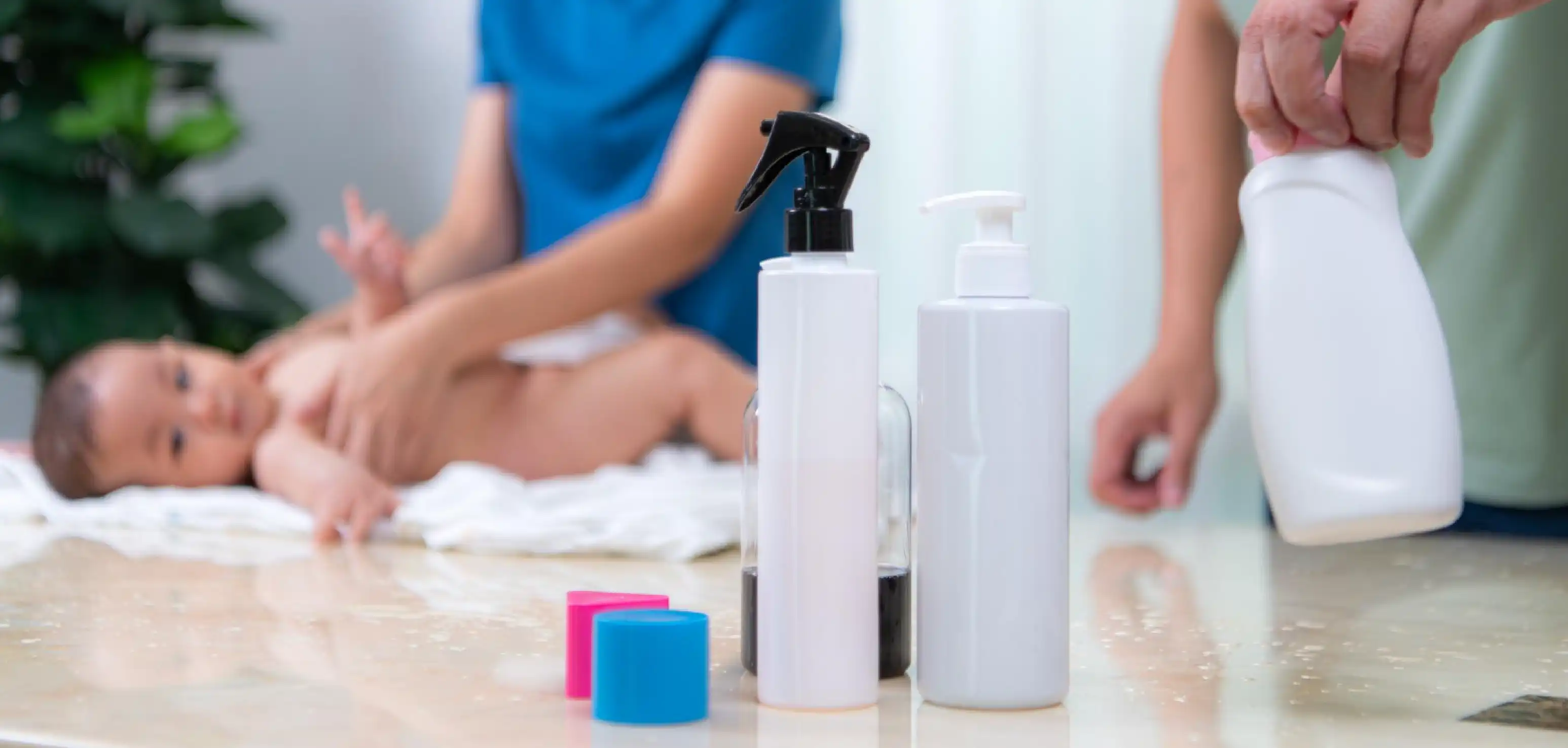
Baby Hygiene Basics From Birth to Toddlerhood: Gentle Care That Protects, Not Overwhelms
Baby hygiene is often misunderstood as a long list of products, daily rituals, and strict routines. New parents are frequently told to bathe often, clean thoroughly, and keep everything spotless. In reality, baby hygiene is not about constant cleaning. It is about protecting delicate skin, preventing irritation, and supporting natural development.
From birth to toddlerhood, a baby’s skin and immune system mature gradually. Hygiene practices that are too aggressive can do more harm than good. Understanding what babies truly need at each stage helps parents care confidently without fear of doing too little or too much.
Understanding baby skin: why it needs special care
Baby skin is thinner, more sensitive, and more permeable than adult skin. The protective barrier that keeps moisture in and irritants out is still developing, especially in the first year of life.
Because of this, baby skin:
- Loses moisture more easily
- Reacts quickly to products and friction
- Is more prone to dryness, rashes, and irritation
Good hygiene supports the skin’s natural barrier rather than stripping it away. Gentle care builds resilience over time.
Hygiene in the newborn phase (birth to 1 month)
Newborns do not need frequent bathing. Their skin is adjusting to life outside the womb, and excessive washing can disrupt this process.
In the early weeks:
- Sponge baths are usually sufficient
- Focus on cleaning the face, neck folds, hands, and diaper area
- Use plain water or minimal, mild cleanser if needed
The vernix, the white coating present at birth, provides natural protection and does not need to be scrubbed off. Letting it absorb naturally supports skin hydration.
Hygiene in this phase is about comfort and cleanliness, not routine bathing.
Bathing practices for young babies (1–6 months)
As babies grow, bathing can become a soothing routine, but it still does not need to be frequent.
Most babies do well with:
- Two to three baths per week
- Short baths using lukewarm water
- Gentle handling without scrubbing
Daily bathing is not necessary unless the baby enjoys it and the skin tolerates it well. Over-bathing can lead to dryness and irritation.
Bath time can be a bonding experience, offering warmth, touch, and relaxation rather than a strict hygiene task.
Baby skin care: keeping it simple
Baby skin does not need many products. In fact, fewer products usually mean fewer problems.
Key principles include:
- Avoiding heavily fragranced or harsh products
- Using mild, baby-specific cleansers only when needed
- Moisturizing if the skin appears dry, not automatically
Healthy baby skin does not require constant intervention. Applying products only when needed allows the skin to develop its natural protective functions.
Diaper hygiene: comfort and prevention
The diaper area is exposed to moisture, friction, and waste, making hygiene especially important.
Effective diaper hygiene focuses on:
- Frequent diaper changes
- Gentle cleaning with water or soft wipes
- Patting dry rather than rubbing
Using barrier creams when needed can protect against irritation, but constant thick layers are not always necessary. Allowing the skin to breathe during diaper changes supports healing and comfort.
Persistent rashes should be evaluated rather than treated with repeated product changes.
Hygiene during the crawling and early mobility phase
As babies begin to roll, crawl, and explore, they come into contact with more surfaces. This is a natural and healthy part of development.
During this phase:
- Hand and face cleaning becomes more frequent
- Baths may be needed more often due to visible dirt
- Hygiene should remain gentle despite increased activity
Exposure to everyday environments helps build immune resilience. Over-sanitizing can increase sensitivity rather than protection.
Clean does not need to mean sterile.
Toddler hygiene: balancing cleanliness and independence
Toddlerhood brings new hygiene challenges. Toddlers explore freely, touch everything, and resist routines.
Hygiene during this stage includes:
- Teaching simple handwashing habits
- Supporting tooth brushing routines
- Managing bathing with cooperation rather than force
Toddlers benefit from consistency and modeling rather than strict enforcement. Making hygiene routines predictable and calm helps reduce resistance.
This stage is also when children begin learning body awareness, making gentle explanations important.
Hair and scalp care from babyhood to toddlerhood
Baby hair and scalp are sensitive and do not require frequent washing.
In early stages:
- Hair washing once or twice a week is usually enough
- Scalp care should be gentle to avoid irritation
Conditions like cradle cap are common and usually harmless. Gentle care, rather than aggressive treatment, allows the scalp to normalize naturally.
As toddlers grow, hair washing frequency may increase based on activity level, but harsh shampoos remain unnecessary.
Nail, ear, and nose hygiene
These areas require caution.
Nails can be trimmed carefully to prevent scratches. Ears should be cleaned only externally, as the ear canal cleans itself naturally. The nose can be gently cleaned if congestion is present, but routine intervention is unnecessary.
Avoid inserting objects into ears or nose, as this increases risk rather than hygiene.
Common hygiene myths that create unnecessary stress
Many parents worry that dirt exposure causes illness or that daily baths are essential. In reality, excessive cleaning can disrupt the skin barrier, increase dryness and irritation, and reduce natural immune exposure.
Another myth is that visible mess equals poor hygiene. Babies learn through sensory exploration. Messiness is part of development, not neglect.
Hygiene and bonding
Hygiene routines are moments of connection. Bathing, diaper changes, and skin care involve touch, voice, and attention.
When approached calmly, these routines build trust, support emotional security, and strengthen parent-child bonding.
Rushing or stressing through hygiene tasks often affects both baby and caregiver.
Signs that hygiene practices may need adjustment
If a baby shows persistent dryness or redness, frequent rashes, sensitivity to products, or discomfort during routines, it may indicate that hygiene practices are too aggressive or unsuitable.
Adjusting frequency, products, or technique often resolves issues.
A realistic approach to baby hygiene
Baby hygiene does not require perfection. It requires attentiveness, gentleness, and flexibility.
Babies are resilient. Their skin and immune systems grow stronger when supported, not over-managed.
Cleanliness should never come at the cost of comfort.
A grounded reminder
From birth to toddlerhood, hygiene is about protection, not control. Your baby does not need constant washing, multiple products, or strict routines to be healthy.
What they need is gentle care, responsive attention, and space to grow naturally.
When hygiene supports comfort rather than fear, it becomes part of nurturing rather than a source of stress. That balance lays the foundation for healthy skin, healthy habits, and confident caregiving.