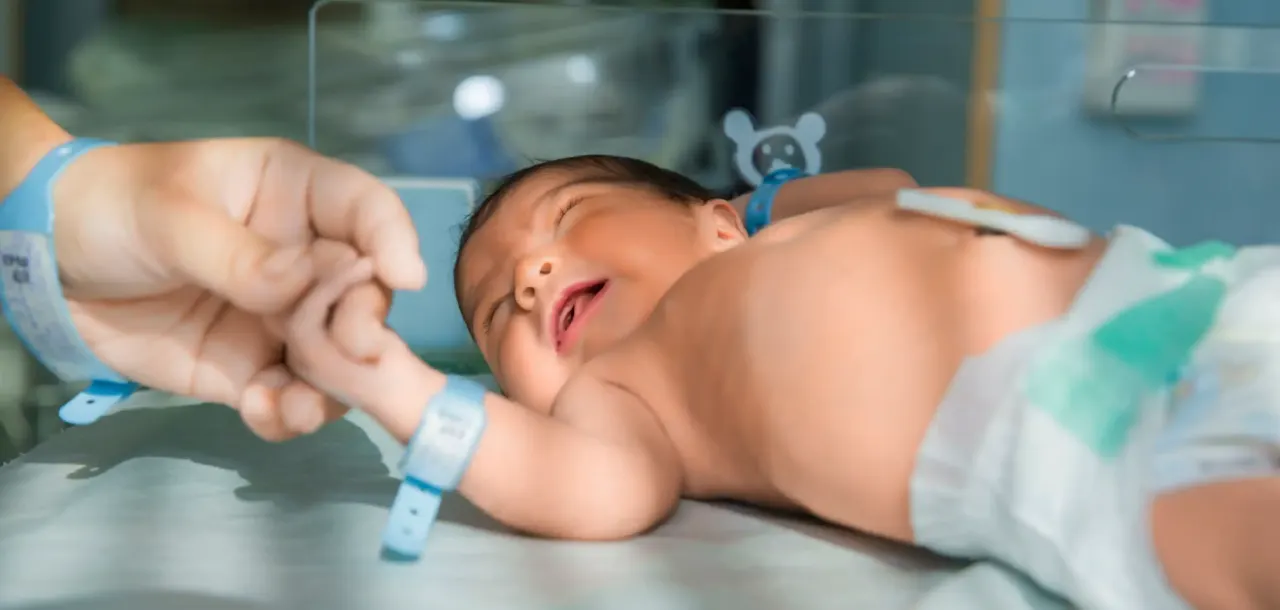
What Is the NICU and Why Babies Are Admitted: Understanding Intensive Care Without Fear
Hearing that your baby needs to be admitted to the NICU can be overwhelming. For many parents, the word itself brings fear, uncertainty, and a sense that something has gone terribly wrong. The environment, the machines, and the separation from your baby can feel emotionally heavy, especially when the birth experience did not go as planned.
Understanding what the NICU actually is, and why babies are admitted, helps replace fear with clarity. The NICU exists not as a sign of failure or danger, but as a specialized space designed to give babies the support they need to thrive.
What exactly is the NICU
The NICU, or Neonatal Intensive Care Unit, is a specialized medical unit that provides advanced care for newborn babies who need closer monitoring or support after birth.
NICUs are staffed by trained neonatologists, nurses, and specialists who focus exclusively on newborn health. The equipment in the NICU is designed to support breathing, feeding, temperature regulation, and vital functions while the baby grows stronger.
Admission to the NICU does not automatically mean a baby is critically ill. Many babies stay for short periods for observation or temporary support.
Why some babies need extra support after birth
Birth is a major transition. Babies move from a protected environment inside the womb to breathing, feeding, and regulating body temperature on their own. Some babies need help making this transition.
NICU care allows this adjustment to happen in a controlled, safe environment where medical teams can respond quickly to changes.
The goal is always stabilization, growth, and eventual discharge to home.
Prematurity: the most common reason for NICU admission
One of the most frequent reasons for NICU admission is prematurity. Babies born before full term may have organs that are still developing, particularly the lungs, brain, and digestive system.
Premature babies may need:
- Breathing support while lungs mature
- Help maintaining body temperature
- Support with feeding and digestion
- Monitoring for infections or complications
NICU care provides the time and protection premature babies need to continue developing outside the womb.
Breathing and oxygen-related concerns
Some babies, even those born at full term, experience breathing difficulties after birth. This can happen for many reasons, including delayed lung adaptation or fluid in the lungs.
NICU admission allows:
- Continuous oxygen monitoring
- Temporary respiratory support
- Early detection of breathing changes
In many cases, breathing support is short-term and improves quickly with care.
Low birth weight and growth monitoring
Babies with low birth weight may be admitted to the NICU to support feeding and growth. Low weight does not always mean illness, but smaller babies may need closer observation to ensure they gain weight steadily and maintain stable vital signs.
NICU teams focus on:
- Safe feeding methods
- Energy conservation
- Gradual weight gain
This careful monitoring helps prevent complications and supports healthy development.
Infections and medical observation
Newborns have developing immune systems, making them more vulnerable to infections. If there is concern about infection, or if the mother had certain risk factors during labor, babies may be admitted for observation and treatment.
NICU admission in these cases allows:
- Prompt treatment if needed
- Continuous monitoring
- Prevention of complications
Often, these admissions are precautionary and temporary.
Blood sugar, temperature, and metabolic concerns
Some babies have difficulty regulating blood sugar or body temperature in the early hours or days after birth. These issues are more common in premature babies, babies born to mothers with diabetes, or babies who experienced stress during delivery.
NICU care ensures:
- Stable glucose levels
- Temperature regulation
- Close monitoring during the adjustment phase
With support, most babies stabilize and transition out of intensive care smoothly.
Surgical or congenital conditions
Some babies are born with conditions that require specialized care, imaging, or surgery. NICU teams coordinate closely with pediatric specialists to ensure timely and safe treatment.
In these situations, the NICU becomes a place of coordination, planning, and recovery, not just monitoring.
What NICU care looks like day to day
NICU environments can feel intimidating, but they are designed for safety and precision.
Babies may be connected to monitors that track heart rate, breathing, and oxygen levels. These monitors often sound alarms that alert staff to changes, not emergencies.
Parents are encouraged to:
- Participate in care when possible
- Ask questions freely
- Learn about their baby’s needs and progress
Many NICUs support skin-to-skin contact and parental involvement as soon as it is medically safe.
The emotional experience for parents
NICU admission affects parents deeply. Feelings of guilt, helplessness, grief, and fear are common, even when doctors provide reassurance.
Parents may struggle with:
- Separation from their baby
- Loss of the expected birth experience
- Uncertainty about timelines
- Emotional exhaustion
These feelings are normal. They do not reflect weakness or lack of love. They reflect the shock of unexpected change.
How parents support their baby in the NICU
Even when medical care is central, parents remain important.
Your presence, voice, touch, and involvement matter. Talking to your baby, participating in feeding when possible, and learning about their care builds connection and confidence.
NICU staff often guide parents gently into caregiving roles as the baby stabilizes, helping families transition toward independence.
Leaving the NICU and going home
Discharge from the NICU happens when the baby can:
- Breathe independently
- Maintain body temperature
- Feed adequately
- Gain weight consistently
Leaving the NICU can bring both relief and anxiety. Parents may feel unprepared after relying on medical teams for weeks.
Education, follow-up plans, and gradual transition support help families adjust to home life.
A compassionate perspective on NICU care
NICU admission is not a reflection of failure, weakness, or something a parent did wrong. It is a response to medical needs that are often beyond anyone’s control.
The NICU exists because modern medicine can now protect and support babies who once had limited options. For many families, it becomes a bridge between vulnerability and strength.
A grounded reminder
The NICU is a place of healing, not fear. It is where tiny bodies are given time, care, and protection to grow stronger.
If your baby is in the NICU, you are not alone, and you are not powerless. Your role may look different than expected, but it is still deeply meaningful.
With time, support, and patience, many NICU journeys lead home. And while the experience may change you, it also often reveals resilience, connection, and hope you did not know you had.