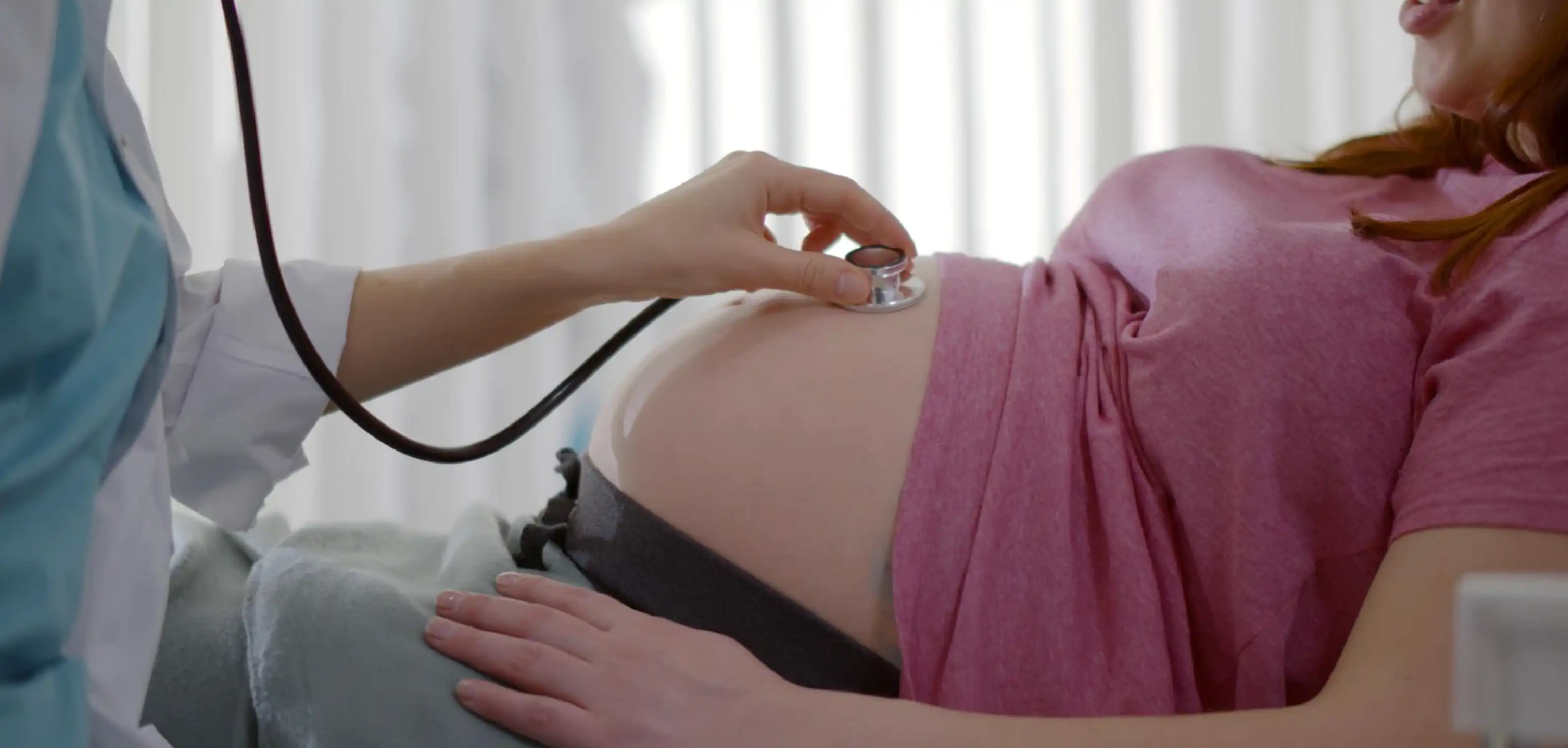
Warning Signs in Pregnancy You Should Never Ignore: Knowing When to Call Your Doctor Without Panic
Pregnancy comes with many new sensations, discomforts, and changes. Most of them are normal and harmless. However, some symptoms require medical attention and should never be ignored, even if you are unsure.
Knowing these warning signs does not mean living in fear. It means being informed so you can act confidently and early when needed.
Why recognizing warning signs matters
Many pregnancy complications become serious only when care is delayed.
Prompt medical attention:
- Prevents small issues from becoming emergencies
- Protects both mother and baby
- Reduces anxiety by replacing uncertainty with action
It is always better to call your doctor and be reassured than to wait and worry.
Bleeding during pregnancy
Light spotting can occur in early pregnancy, but bleeding should always be evaluated.
Call your doctor if:
- Bleeding is heavy or increasing
- Bleeding is accompanied by pain or cramps
- Bleeding occurs in the second or third trimester
Bleeding does not always mean pregnancy loss, but it should never be ignored.
Severe or persistent abdominal pain
Some stretching or mild cramps are normal. Severe pain is not.
Seek medical help if:
- Pain is intense or one-sided
- Pain does not improve with rest
- Pain is accompanied by fever, vomiting, or bleeding
Persistent pain needs evaluation to rule out complications.
Reduced or absent baby movements
Once you start feeling regular baby movements, changes matter.
Contact your doctor if:
- Baby movements reduce significantly
- You do not feel movement for several hours during usual active times
Decreased movements can signal stress and should be checked promptly.
Severe headache, vision changes, or sudden swelling
These symptoms may indicate blood pressure-related conditions.
Warning signs include:
- Severe headache that does not go away
- Blurred vision or flashing lights
- Sudden swelling of face, hands, or eyes
These require immediate medical evaluation.
Fever and signs of infection
Infections during pregnancy need careful management.
Call your doctor if:
- Fever is high or persistent
- You have chills, burning during urination, or unusual discharge
- You feel unwell without a clear reason
Early treatment reduces risk to the baby.
Persistent vomiting and dehydration
Occasional nausea is common. Constant vomiting is not.
Seek care if:
- You cannot keep fluids down
- You feel dizzy or faint
- Urine output is reduced
Dehydration affects both maternal and fetal health.
Shortness of breath or chest pain
Mild breathlessness is common in late pregnancy, but sudden or severe symptoms are not.
Get urgent help if:
- Breathing becomes difficult suddenly
- You experience chest pain or palpitations
- You feel lightheaded or faint
These symptoms require immediate evaluation.
Leaking fluid from the vagina
A sudden gush or continuous leaking may indicate rupture of membranes.
Contact your doctor if:
- You notice clear or watery fluid leaking
- Leaking continues or increases
- It is accompanied by contractions or fever
Early assessment helps prevent infection and complications.
Regular contractions before term
Occasional tightening can be normal. Regular painful contractions are not.
Call your doctor if:
- Contractions become regular and painful
- Tightening increases in frequency
- You feel pelvic pressure before 37 weeks
Early intervention can prevent preterm birth.
Mental health warning signs
Emotional wellbeing is part of pregnancy safety.
Seek help if you experience:
- Intense anxiety or panic
- Thoughts of harming yourself
- Feeling unable to cope
Mental health concerns are medical concerns and deserve attention.
Trusting your instincts
If something feels wrong, it matters.
Even if:
- Symptoms seem mild
- You worry about “overreacting”
- You are unsure how to explain what you feel
Your instincts are valid. Doctors would rather evaluate early than late.
When to go to emergency care
Do not wait or call multiple people if you experience:
- Heavy bleeding
- Severe pain
- Loss of consciousness
- Sudden breathing difficulty
Emergency care saves lives.
A calm approach to pregnancy safety
Knowing warning signs is not about fear. It is about preparedness.
Most pregnancies progress safely. When issues arise, early action leads to better outcomes.
Calling your doctor is never a failure or inconvenience. It is part of responsible care for yourself and your baby.
Being informed allows you to move through pregnancy with confidence, not anxiety.