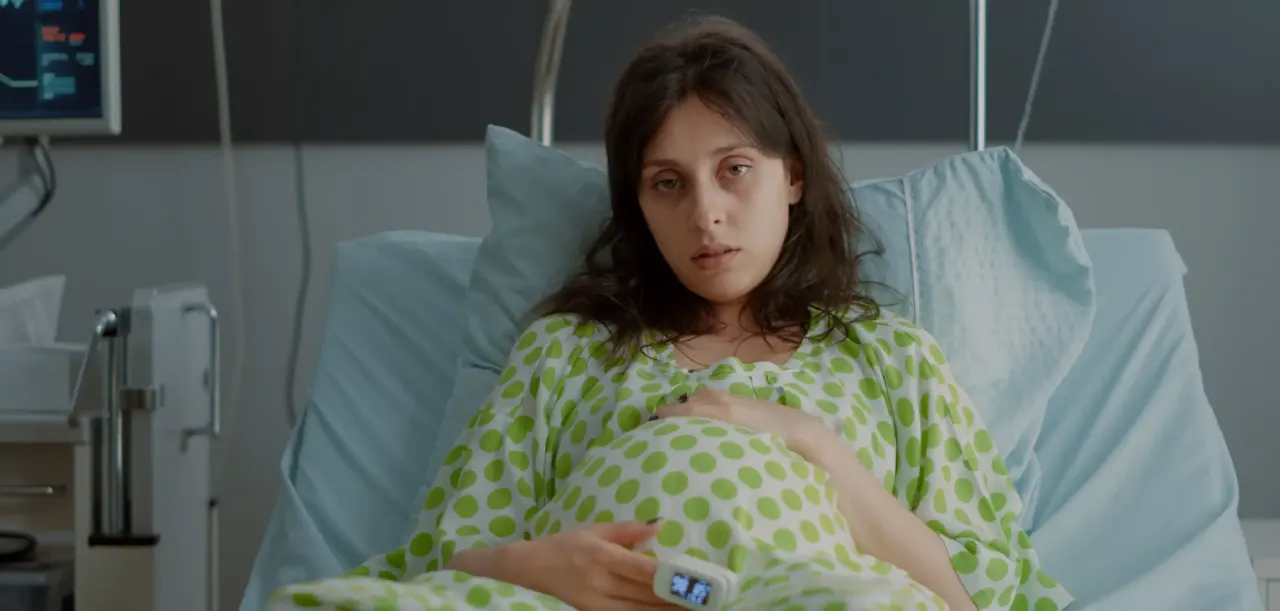
Fear of Childbirth: Why So Many Women Feel It and How to Understand What’s Really Behind the Anxiety
Fear of childbirth is one of the most common yet least openly discussed emotional experiences in pregnancy. Many women feel hesitant to talk about it, worried they will be seen as negative, ungrateful, or unprepared for motherhood. Yet behind closed doors, fears about labor, pain, complications, loss of control, or medical procedures are deeply present.
This fear is not unusual, and it is not a personal failure. It is a natural response to uncertainty, vulnerability, and the immense physical and emotional significance of birth. Understanding why childbirth fear exists is the first step toward reducing its intensity and impact.
Why fear of childbirth is more common than we think
Childbirth is one of the few life events that is both inevitable and unpredictable. Unlike many experiences, it involves physical pain, loss of control, medical intervention, and concern for another life, all happening at once.
Many women feel fear but do not name it because:
- Society expects excitement, not anxiety
- Fear is often dismissed as “normal nerves”
- There is pressure to appear strong or positive
- Talking about fear can invite unsolicited advice or judgment
As a result, fear often goes inward, growing silently rather than being processed and supported.
The role of the unknown in childbirth fear
One of the strongest drivers of fear is uncertainty.
Most women have never experienced childbirth before. They may not know what labor feels like, how long it lasts, how pain will manifest, or how their body will respond. Even women who have given birth before may fear a repeat of a difficult experience.
The mind naturally tries to fill gaps in understanding, and without balanced information, it often fills them with worst-case scenarios.
Fear grows not because birth is always dangerous, but because the unknown feels unsafe to the nervous system.
How stories shape fear
Birth stories have power. Unfortunately, negative and traumatic birth stories are shared far more often than calm or positive ones.
Dramatic stories spread easily because:
- They trigger emotional reactions
- They are memorable
- They are often shared as warnings rather than support
Hearing repeated stories of pain, complications, or emergencies can create fear even in women whose pregnancies are healthy. Over time, the brain begins to associate childbirth with danger rather than capability.
This does not mean those stories are invalid. It means they need context, balance, and support to prevent fear from becoming overwhelming.
Medical anxiety and loss of control
For many women, fear of childbirth is closely tied to medical anxiety rather than birth itself.
Common concerns include:
- Fear of hospitals or medical procedures
- Anxiety around needles, examinations, or surgery
- Fear of not being listened to or respected
- Worry about sudden decisions being made without consent
Childbirth often requires surrendering some control, and for those who value predictability or have past medical trauma, this can feel deeply unsettling.
Fear increases when women feel uninformed, powerless, or unheard within medical systems.
Past trauma and childbirth fear
Fear of childbirth may be linked to past experiences, even if they seem unrelated.
This can include:
- Previous traumatic births
- Miscarriage or pregnancy loss
- Medical trauma
- Sexual trauma
- Loss of bodily autonomy in other contexts
Pregnancy and childbirth can bring these memories closer to the surface. Fear in these cases is not exaggerated. It is the body remembering vulnerability and trying to protect itself.
Acknowledging this connection is essential for healing and preparation.
Fear of pain versus fear of coping
Many women believe they are afraid of pain, but often the deeper fear is about coping with pain.
Questions such as:
- Will I panic?
- Will I be able to handle it?
- What if I lose control?
These fears reflect self-doubt rather than physical weakness. Pain becomes frightening when it is imagined as overwhelming and unmanageable.
When women feel supported, informed, and allowed choices, pain often feels less threatening because it is no longer faced alone.
Cultural and social expectations
Cultural messages around childbirth strongly influence fear.
Some cultures frame birth as something to endure silently. Others portray it as traumatic or dangerous. Media often emphasizes emergency scenarios rather than physiological birth.
At the same time, women are expected to be calm, capable, and grateful, leaving little room to express fear honestly.
This conflict between expectation and reality can intensify anxiety and self-judgment.
Why fear does not mean you are unready
Feeling fear does not mean you are not ready to give birth. It means you understand the gravity of the experience.
Fear often reflects:
- Awareness of responsibility
- Desire for safety
- Concern for the baby
- Respect for the process
These are not weaknesses. They are signs of engagement and care.
Many women who feel fear go on to have empowering birth experiences once they receive the right support.
When fear becomes overwhelming
While some level of fear is common, it becomes a concern when it:
- Interferes with daily functioning
- Causes persistent panic or dread
- Disrupts sleep or appetite
- Leads to avoidance of medical care
- Feels uncontrollable
In these cases, fear deserves attention and support, not dismissal. Emotional wellbeing during pregnancy is as important as physical health.
Understanding fear as a message, not an enemy
Fear is not something to eliminate forcefully. It is a signal asking to be understood.
It may be asking for:
- More information
- More emotional support
- More control or choice
- More reassurance
- Space to talk openly
When fear is listened to rather than ignored, it often softens naturally.
A compassionate perspective on childbirth fear
Fear of childbirth does not mean something is wrong with you. It means you are human, aware, and stepping into a life-changing experience.
Birth is intense, unpredictable, and deeply personal. Feeling fear in the face of that reality is understandable.
What matters is not whether fear exists, but whether you are supported in understanding it, expressing it, and moving through it with care.
You do not need to be fearless to give birth. You need to be informed, supported, and respected.